Full Mouth Restoration

All-On-4 vs. All-On-6: Which Full Mouth Restoration Is Right for You?

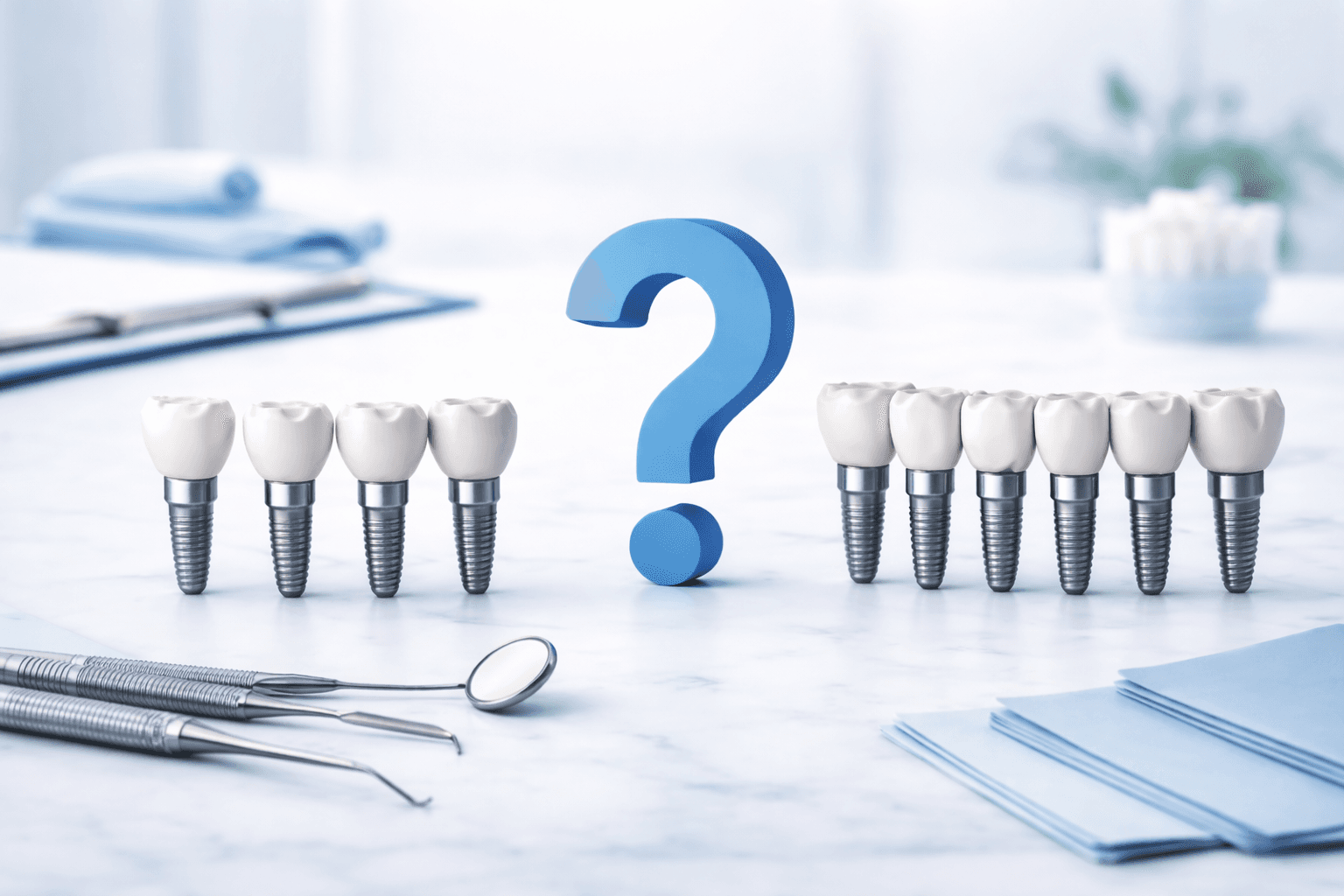
All-On-4 versus All-On-6 full mouth restoration comparison

Introduction: A Life-Changing Decision Deserves Careful Consideration

If you're reading this article, you've likely reached a pivotal moment in your dental health journey. Perhaps you've been struggling with failing teeth, uncomfortable dentures, or significant tooth loss that's affecting your confidence, diet, and quality of life. The good news? Modern dental implant technology offers remarkable solutions that can restore not just your smile, but your ability to eat, speak, and live without worry.

Two of the most popular full mouth restoration options today are All-On-4 and All-On-6 dental implant systems. Both treatments promise to replace an entire arch of teeth with a fixed, permanent prosthesis supported by dental implants. But which one is right for you?

This comprehensive guide will walk you through everything you need to know about these two transformative treatments. By understanding the key differences, benefits, and considerations of each option, you'll be empowered to have an informed conversation with your dental professional and make the choice that best suits your unique situation.

On this page

Understanding the Basics: What Are All-On-4 and All-On-6?

What Is All-On-4?

The All-On-4 dental implant system is an innovative full-arch restoration technique that uses just four strategically placed dental implants to support a complete set of upper or lower teeth. Developed by Dr. Paulo Malo in the 1990s, this revolutionary approach was designed to maximize the use of available bone while minimizing the need for bone grafting procedures.

The "magic" of All-On-4 lies in its strategic implant placement. Two implants are positioned vertically at the front of the jaw where bone density is typically greatest, while two posterior implants are angled at up to 45 degrees. This angulation allows the implants to bypass areas of low bone density and avoid sensitive structures like the sinus cavities (in the upper jaw) or the inferior alveolar nerve (in the lower jaw). The angled placement also increases the contact between the implant and bone, providing enhanced stability and support.

What Is All-On-6?

Want to learn more? Explore our detailed All-On-4 treatment guide to see if this option is right for you.

The All-On-6 system follows the same fundamental concept as All-On-4 but uses six dental implants instead of four to support the full-arch prosthesis. These additional implants provide extra support points, distributing the biting forces across more anchors.

In the All-On-6 configuration, implants are typically placed more evenly throughout the jaw. While some may still be angled to optimize bone contact and avoid anatomical structures, the additional two implants—usually positioned in the mid-arch area—create a more distributed support system. This can be particularly beneficial for patients with adequate bone volume who want maximum stability and longevity.

How Do They Work?

Ready to explore this option? Learn more about our All-On-6 treatment to discover if it's the best choice for your smile.

Both systems function on the same basic principle: dental implants made of biocompatible titanium are surgically placed into the jawbone, where they fuse with the bone through a process called osseointegration. This creates a stable foundation that mimics natural tooth roots. A custom-designed prosthesis—your new set of teeth—is then attached to these implants, either immediately (same-day teeth) or after a healing period of several months.

The prosthesis itself is typically made from high-quality materials such as acrylic, composite resin, or zirconia, and includes both the visible teeth and a gum-colored base that creates a natural appearance. Unlike traditional dentures that rest on the gums and can slip or cause discomfort, implant-supported prostheses are firmly fixed in place, allowing you to eat, speak, and smile with complete confidence.

The Detailed Comparison: All-On-4 vs. All-On-6

Number of Implants and Structural Support

All-On-4: Uses four implants per arch. The reduced number of implants means fewer surgical sites, which can translate to less invasive surgery, reduced healing time, and lower initial costs. However, each implant must bear more of the load when you bite and chew.

All-On-6: Uses six implants per arch. The additional two implants provide more support points, distributing biting forces more evenly across the jaw. This can reduce stress on individual implants and potentially extend the longevity of both the implants and the prosthesis.

Bone Support Requirements

All-On-4: Specifically designed for patients with moderate to significant bone loss. The angled posterior implants allow the system to work even when bone volume is limited, often eliminating the need for bone grafting procedures. This makes All-On-4 an excellent option for patients who have experienced bone resorption due to long-term tooth loss or denture wear.

All-On-6: Generally requires more available bone volume since six implants need adequate space and bone density for proper placement. Patients with severe bone loss may need bone grafting procedures before All-On-6 treatment can proceed. However, if you have sufficient bone, the additional implants can provide superior long-term stability.

Stability and Bite Force Distribution

All-On-4: Provides excellent stability for most patients and daily functions. The strategic angling of the posterior implants creates a strong foundation. However, because forces are distributed across only four points, each implant experiences greater stress, particularly in the posterior regions where chewing forces are strongest.

All-On-6: Offers enhanced stability due to the additional support points. The six-implant configuration more closely mimics the natural distribution of tooth roots, allowing for better force distribution when biting and chewing. This can be particularly beneficial for patients with strong bite forces or those who want to enjoy tougher foods without concern.

Longevity and Durability

All-On-4: Clinical studies show excellent long-term success rates, with many patients enjoying their All-On-4 restorations for 15-20 years or more with proper care. The system has been refined over decades and has a proven track record. However, because each implant bears more load, there may be slightly higher stress on individual components over time.

All-On-6: The additional implants can potentially extend the lifespan of the restoration by reducing stress on individual implants. With proper maintenance, All-On-6 restorations can last 20-25 years or longer. The redundancy of having six implants also means that if one implant were to fail (a rare occurrence), the remaining five can often continue to support the prosthesis while the issue is addressed.

Aesthetics and Natural Appearance

All-On-4: Delivers beautiful, natural-looking results. Modern prosthetics are highly customizable, with tooth shape, size, and color tailored to your facial features and preferences. The gum-colored base is designed to look like natural gum tissue. Because the implants are strategically positioned, the prosthesis can be designed to provide optimal lip support and facial aesthetics.

All-On-6: Also provides excellent aesthetic outcomes with the same level of customization. The additional implants can sometimes allow for even better contouring of the prosthesis, particularly in the posterior regions. Some patients and dentists feel that the six-implant configuration allows for a more natural emergence profile of the teeth from the gums.

In reality, both systems can achieve stunning, natural-looking results. The skill and artistry of your dental team matter far more than the number of implants when it comes to aesthetics.

Maintenance and Oral Hygiene

All-On-4: Maintenance is straightforward and similar to caring for natural teeth. You'll brush your prosthesis twice daily, use specialized floss or interdental brushes to clean around the implants, and may use a water flosser to remove debris. Regular dental checkups (typically every 3-6 months) are essential for professional cleaning and monitoring. The four-implant design creates accessible spaces for cleaning.

All-On-6: Requires the same diligent home care routine. With six implants, there are more areas to clean around, but the spaces between implants are still designed to be accessible. Some patients find that the additional implants make certain cleaning techniques easier because the prosthesis may have less flex. Professional maintenance visits are equally important.

Both systems require commitment to oral hygiene, but neither is significantly more difficult to maintain than the other.

Pros and Cons: Weighing Your Options

All-On-4 Advantages

Less Invasive Surgery: Fewer implants mean fewer surgical sites, which typically results in less post-operative discomfort and swelling.

Shorter Surgery Time: With only four implants to place, the surgical procedure is generally shorter, which can be beneficial for patients with anxiety or medical conditions that make lengthy procedures challenging.

Lower Initial Cost: Fewer implants and less surgical time typically translate to a lower overall treatment cost, making full mouth restoration more accessible.

Ideal for Bone Loss: The angled implant technique often eliminates the need for bone grafting, saving time, money, and additional procedures.

Faster Recovery: With fewer surgical sites, many patients experience quicker initial healing.

Proven Track Record: All-On-4 has decades of clinical research and millions of successful cases worldwide.

All-On-4 Disadvantages

Higher Load Per Implant: Each implant must support more of the biting force, which could theoretically lead to greater stress over time.

Less Redundancy: If an implant fails (rare but possible), you have fewer backup support points.

May Not Be Ideal for Heavy Chewers: Patients with very strong bite forces or those who regularly eat very hard foods might benefit from additional support.

All-On-6 Advantages

Superior Stability: Six implants provide enhanced stability and support, particularly beneficial for the posterior chewing regions.

Better Force Distribution: Biting and chewing forces are spread across more implants, reducing stress on individual components.

Greater Redundancy: If one implant encounters issues, five others continue providing support.

Potentially Longer Lifespan: The reduced stress per implant may contribute to longer-lasting results.

Ideal for Strong Biters: Patients with powerful jaw muscles or those who want maximum confidence when eating can benefit from the extra support.

More Versatile Prosthesis Design: The additional implants can sometimes allow for more flexibility in prosthesis design and tooth positioning.

All-On-6 Disadvantages

Higher Cost: More implants mean higher material costs and longer surgical time, increasing the overall investment.

More Invasive Surgery: Six surgical sites instead of four means potentially more post-operative discomfort and swelling.

Longer Surgery Time: Placing additional implants extends the duration of the surgical procedure.

Requires More Bone: Patients with significant bone loss may need bone grafting procedures before All-On-6 is possible.

Longer Initial Recovery: More surgical sites may mean a slightly longer initial healing period.

Who Is the Ideal Candidate for Each Treatment?

You Might Be a Better Candidate for All-On-4 If:

  • You have moderate to significant bone loss and want to avoid bone grafting procedures
  • You're looking for a more cost-effective full mouth restoration option
  • You prefer a less invasive surgical procedure with fewer implant sites
  • You have medical conditions or anxiety that make shorter procedures preferable
  • You have normal to moderate bite force
  • You want the fastest path to a restored smile
  • You're an older patient who prioritizes simplicity and proven results

You Might Be a Better Candidate for All-On-6 If:

  • You have adequate bone volume to support six implants
  • You have a strong bite force or grind your teeth (bruxism)
  • You want maximum stability and longevity from your restoration
  • You regularly eat tough or hard foods and want extra confidence
  • You're willing to invest more for additional security and support
  • You're a younger patient looking for a solution that will last decades
  • You've been advised by your dentist that your jaw anatomy would benefit from additional support
  • You want the peace of mind that comes with redundant support

Important Note on Candidacy

The "best" option isn't always about choosing between All-On-4 and All-On-6 based on preference alone. Your individual anatomy, bone quality, medical history, and specific dental situation play crucial roles. Some patients simply aren't candidates for All-On-6 due to insufficient bone, while others might not get optimal results from All-On-4 due to their bite characteristics or jaw structure.

A thorough evaluation by a qualified implant dentist, including 3D imaging (CBCT scan), is essential to determine which treatment will provide the best outcomes for your unique situation.

Cost and Financial Considerations

Understanding the Investment

Full mouth restoration with dental implants represents a significant financial investment, but it's important to view it in the context of the life-changing benefits and long-term value it provides.

All-On-4 Cost Range: In the United States, All-On-4 treatment for a single arch typically ranges from $20,000 to $30,000, though prices can vary based on geographic location, the dentist's experience, and the materials used for your prosthesis. For both upper and lower arches, expect to invest $40,000 to $60,000.

All-On-6 Cost Range: All-On-6 treatment generally costs $25,000 to $35,000 per arch, or $50,000 to $70,000 for full mouth restoration. The additional implants, longer surgical time, and potentially more complex prosthesis design contribute to the higher cost.

What's Included in the Cost?

Comprehensive treatment typically includes:

  • Initial consultation and examination
  • 3D imaging and treatment planning
  • Surgical placement of implants
  • Temporary prosthesis (immediate teeth)
  • Final custom prosthesis
  • Follow-up appointments during healing
  • Adjustments and refinements

Additional Costs to Consider

  • Tooth Extractions: If you still have teeth that need removal, this adds to the cost
  • Bone Grafting: Required for some All-On-6 patients with insufficient bone
  • Sedation Options: IV sedation or general anesthesia increases costs but improves comfort
  • Premium Materials: Upgrading to zirconia prostheses instead of acrylic increases the investment
  • Maintenance: Budget for regular professional cleanings and occasional prosthesis adjustments

Financing and Insurance

Dental Insurance: Most dental insurance plans provide limited coverage for implant procedures, as they're often considered elective. However, some plans may cover a portion of the treatment, particularly if tooth loss resulted from trauma or disease. Always check with your insurance provider.

Financing Options: Many dental practices offer:

  • In-house payment plans
  • Third-party healthcare financing (CareCredit, LendingClub, etc.)
  • Extended payment terms with low or zero interest for qualified patients

Health Savings Accounts (HSA) and Flexible Spending Accounts (FSA): These pre-tax accounts can be used for dental implant procedures, effectively reducing your cost.

Long-Term Value Perspective

While the upfront cost is substantial, consider the long-term value:

  • Durability: With proper care, your restoration can last 15-25+ years
  • No Ongoing Denture Costs: No need for denture adhesives, relining, or frequent replacements
  • Improved Health: Better nutrition from improved chewing ability
  • Quality of Life: Confidence, comfort, and freedom from dental anxiety
  • Bone Preservation: Implants prevent bone loss, maintaining facial structure

When calculated over decades of use, the per-year cost becomes much more reasonable, especially compared to the ongoing expenses and limitations of traditional dentures.

Recovery Timeline and Aftercare

Immediate Post-Surgery (Days 1-7)

What to Expect:

  • Swelling and bruising are normal and typically peak around day 3
  • Mild to moderate discomfort managed with prescribed or over-the-counter pain medication
  • Temporary dietary restrictions (soft foods only)
  • You'll leave with temporary teeth attached to your implants (in most cases)

Aftercare Instructions:

  • Take all prescribed medications as directed
  • Apply ice packs to reduce swelling (first 48 hours)
  • Eat soft, nutritious foods (smoothies, yogurt, mashed potatoes, scrambled eggs)
  • Avoid hot foods and beverages initially
  • Sleep with your head elevated
  • Gentle rinsing with salt water (after 24 hours)
  • No smoking or alcohol
  • Avoid strenuous activity

All-On-4 vs. All-On-6: All-On-6 patients may experience slightly more swelling and discomfort due to additional surgical sites, but the difference is usually minimal.

Early Healing Phase (Weeks 2-8)

What to Expect:

  • Swelling and discomfort should be largely resolved
  • Gradual return to normal activities
  • Continued dietary modifications (avoiding very hard or sticky foods)
  • Follow-up appointments to monitor healing

Aftercare Instructions:

  • Begin gentle brushing of your temporary prosthesis
  • Use prescribed mouth rinses
  • Gradually expand your diet as comfort allows
  • Attend all scheduled follow-up appointments
  • Continue avoiding smoking

Osseointegration Phase (Months 3-6)

What to Expect:

  • Implants are fusing with your jawbone (osseointegration)
  • You'll continue wearing your temporary prosthesis
  • Most patients return to normal activities and diet
  • Periodic checkups to ensure proper healing

Aftercare Instructions:

  • Maintain excellent oral hygiene
  • Attend all monitoring appointments
  • Report any concerns immediately (looseness, pain, unusual sensations)

Final Prosthesis Placement (Month 4-6)

What to Expect:

  • Your permanent, custom-crafted prosthesis is ready
  • The temporary prosthesis is removed
  • Final prosthesis is attached and adjusted for perfect fit and bite
  • You'll receive detailed care instructions

Aftercare Instructions:

  • Learn proper cleaning techniques for your specific prosthesis
  • Schedule regular maintenance appointments (every 3-6 months)
  • Gradually test your new teeth with various foods
  • Report any fit or comfort issues for adjustment

Long-Term Maintenance (Years 1+)

Ongoing Care Requirements:

  • Brush twice daily with a soft-bristled brush
  • Use specialized floss, interdental brushes, or water flossers
  • Professional cleanings and examinations every 3-6 months
  • Periodic X-rays to monitor implant health
  • Prosthesis may need occasional adjustments or refinements
  • Every 10-15 years, the prosthesis may need replacement (implants typically remain)

All-On-4 vs. All-On-6: Long-term maintenance is virtually identical for both systems. The commitment to oral hygiene and professional care is the same regardless of implant number.

Success Rates and Durability: What the Research Shows

Clinical Success Rates

All-On-4:

  • Implant survival rates: 94-98% at 10 years
  • Prosthesis survival rates: 95-99% at 10 years
  • Patient satisfaction rates: Consistently above 95%
  • Over 20 years of clinical data supporting the technique

All-On-6:

  • Implant survival rates: 95-99% at 10 years
  • Prosthesis survival rates: 96-99% at 10 years
  • Patient satisfaction rates: Consistently above 95%
  • Growing body of research showing excellent long-term outcomes

Factors Affecting Success

Patient-Related Factors:

  • Oral hygiene compliance
  • Smoking status (smoking significantly reduces success rates)
  • Overall health conditions (diabetes, osteoporosis)
  • Bite force and grinding habits
  • Commitment to follow-up care

Treatment-Related Factors:

  • Surgeon experience and skill
  • Quality of implants and materials used
  • Accuracy of treatment planning
  • Proper prosthesis design and fit
  • Initial bone quality and quantity

What "Success" Means

Success isn't just about implants remaining in place. It encompasses:

  • Functional ability to eat a normal diet
  • Aesthetic satisfaction with appearance
  • Comfort and absence of pain
  • Maintenance of bone and soft tissue health
  • Overall improvement in quality of life

By these comprehensive measures, both All-On-4 and All-On-6 demonstrate exceptional success rates that far exceed traditional dentures or other tooth replacement options.

Making Your Decision: Next Steps

Schedule a Comprehensive Consultation

The most important step you can take is to schedule a consultation with a qualified implant dentist or oral surgeon who has extensive experience with both All-On-4 and All-On-6 procedures. Look for:

  • Board certification or advanced training in implant dentistry
  • Significant experience with full-arch restorations
  • Modern technology (3D imaging, digital planning)
  • Before-and-after photos of actual patients
  • Patient testimonials and reviews

What to Expect at Your Consultation

A thorough evaluation should include:

  • Complete medical and dental history review
  • Clinical examination of your teeth, gums, and bite
  • 3D CBCT scan to assess bone quality and quantity
  • Discussion of your goals, concerns, and expectations
  • Personalized treatment recommendations
  • Detailed cost breakdown and financing options
  • Opportunity to ask questions

Questions to Ask Your Dentist

  • Based on my specific situation, which option do you recommend and why?
  • What is your experience level with these procedures?
  • Can I see examples of your work?
  • What are the risks and potential complications in my case?
  • What is the complete timeline from start to finish?
  • What type of sedation options are available?
  • What materials will be used for my prosthesis?
  • What is your protocol if an implant fails?
  • What does the warranty or guarantee cover?
  • What will my maintenance schedule look like?

Trust the Process

Remember that your dentist's recommendation is based on objective factors like your bone anatomy, bite characteristics, and overall health—not just your preference. While it's important to understand your options, trust the expertise of your dental team to guide you toward the treatment that will provide the best long-term results.

Conclusion: Both Options Can Transform Your Life

Need more detailed information? Visit our comprehensive All-On-4 treatment guide or All-On-6 treatment guide to learn more about each procedure and what our specialists recommend for different situations.

Whether you choose All-On-4 or All-On-6, you're making a decision that will profoundly impact your quality of life. Both treatments offer:

  • A permanent solution to tooth loss
  • The ability to eat, speak, and smile with confidence
  • Natural-looking, beautiful results
  • Preservation of jawbone and facial structure
  • Freedom from the limitations of traditional dentures
  • Excellent long-term success rates

All-On-4 offers a proven, cost-effective solution that works beautifully for most patients, particularly those with bone loss who want to avoid grafting procedures. Learn more about All-On-4 and see if it's right for you.

All-On-6 provides additional stability and support that can be ideal for patients with adequate bone who want maximum longevity and redundancy. Explore the All-On-6 option to discover the full benefits.

The "right" choice depends on your unique anatomy, lifestyle, budget, and goals. What matters most is that you're taking action to restore your oral health and reclaim your smile.

Modern dental implant technology has made full mouth restoration more accessible, predictable, and successful than ever before. Thousands of patients undergo these procedures every year and experience life-changing results. With proper care and maintenance, your new smile can serve you well for decades to come.

Don't let fear, uncertainty, or financial concerns keep you from exploring your options. Many patients say their only regret is not doing it sooner.

Make an Informed Decision with TürkiyeDental's Independent Guidance

Choosing between All-On-4 and All-On-6 is a significant decision—and you deserve transparent, unbiased guidance to make the right choice for your unique situation.

TürkiyeDental is an independent patient advocacy organization dedicated to protecting international dental patients and helping them navigate Türkiye's dental industry with confidence. We don't perform procedures or operate clinics. Instead, we provide expert guidance to help you make informed decisions and connect with verified, trusted dental providers.

How TürkiyeDental Protects Your Interests

Ready to move forward with confidence? TürkiyeDental offers comprehensive services designed specifically for international patients:

  • Second Opinion Service: Already have a treatment plan? Send it to us for an independent review of medical accuracy, price fairness, and treatment necessity
  • Clinic Insight Report: Researching clinics but unsure who to trust? We provide background analysis, reputation checks, and insider details not publicly available
  • Personalized Treatment Portfolio: Don't know where to start? Receive multiple treatment plans from verified clinics with transparent price comparisons and honest pros/cons
  • Transparent Guidance: Clear, honest information with no hidden agendas—we work only for you, not for any clinic

Why International Patients Trust TürkiyeDental

As an independent organization, TürkiyeDental stands apart:

  • Unbiased & Independent: We don't work for any clinic—our only commitment is to your health and peace of mind
  • Professional Expertise: Our team includes dental practitioners, active lawyers, and industry consultants
  • Patient-First Mission: Protecting you from misleading practices, overpricing, and overtreatment
  • Transparent Pricing: Clear, upfront fees for our guidance services—no hidden costs
  • Ethical Standards: We advocate for transparency, patient safety, and fair practice across Türkiye's dental industry
  • Complete Support: From initial research through treatment selection and beyond

Learn More About Your Treatment Options:

👉 All-On-4 Treatment Guide – Understand this proven solution and what to expect

👉 All-On-6 Treatment Guide – Explore the benefits of enhanced stability and support

Get Independent Guidance from TürkiyeDental Today – Let our expert team help you evaluate your options, review treatment plans, and select a verified clinic that's right for you.

WhatsApp