Treatment • Veneers
Veneers – What They Are, Risks, and When to Avoid Them
Considering veneers to refresh your smile? Below we cover what they are, why people choose them, and the downsides that often get glossed over. Use this as a starting point, then share your photos or treatment plans so we can provide a personalised, independent review.
What Are Veneers?
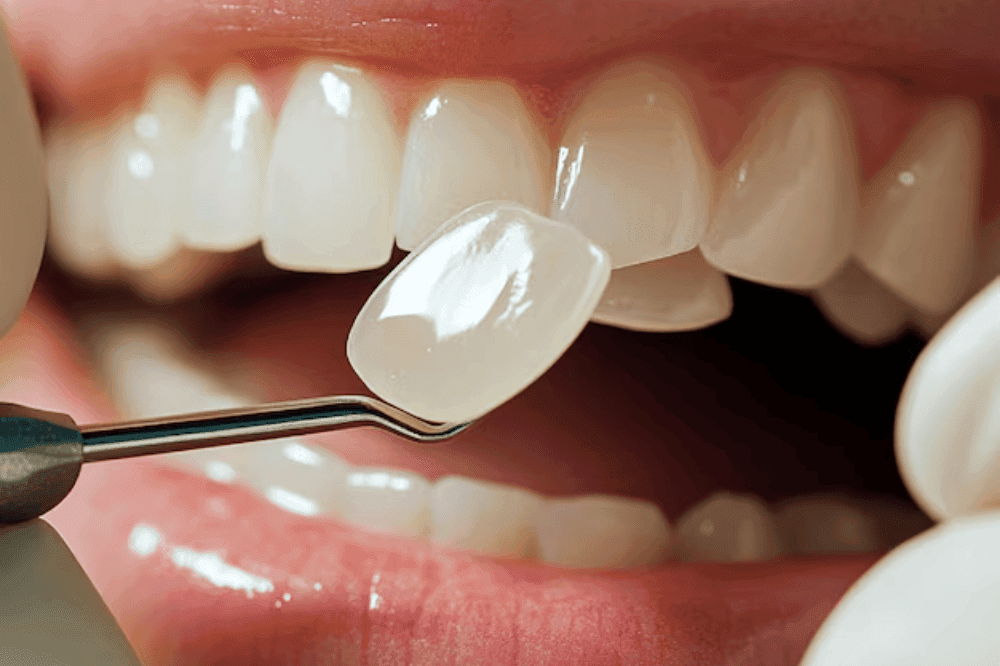
Veneers are thin shells of porcelain or composite bonded to the front surface of teeth to change shape, colour, and alignment. They are custom made in a dental laboratory, then cemented after a dentist prepares the enamel so the veneer sits flush with the natural tooth. Patients choose them to close gaps, mask discoloration whitening cannot fix, even out worn edges, or create a more uniform smile line. Modern ceramics mimic enamel translucency while resisting stains better than natural teeth.
A typical case starts with photographs, shade selection, and mock-ups. The dentist reshapes a small amount of enamel, usually 0.3–1.0 mm, before taking impressions or digital scans. Temporaries protect the teeth while the lab fabricates the final shells. At the fitting appointment, veneers are tried in, bite-checked, and bonded with resin cement. With careful planning and conservative preparation, veneers can last a decade or more, but they are still prosthetic restorations that need maintenance.
What are the downsides of veneers?
The first downside is irreversibility. Placing most veneers removes enamel, and once that layer is gone the tooth will always need a covering restoration. That makes veneers a long-term commitment rather than a reversible cosmetic tweak, and chips, debonding, or gum recession later often mean replacement.
Cost is another factor. High-quality porcelain veneers involve lab work, skilled preparation, and multiple visits, so fees add up quickly, especially for several teeth. Composite veneers can cost less but may stain or wear faster. Insurance rarely covers cosmetic veneers, so most patients pay out of pocket and should budget for future repairs.
Sensitivity is common for a few weeks after preparation because enamel is thinner. If the bite is not carefully balanced, veneers can chip, crack, or debond under normal chewing forces. Colour is stable with porcelain, but cement margins can darken if gums recede, and matching a single replacement veneer perfectly can be difficult.
What are the negatives of veneers?
Lifestyle and habits matter. Grinding or clenching puts veneers under extra stress, increasing the risk of chipping or fracture. Night guards can help but add cost and require consistent use. Aggressive brushing with hard bristles can roughen veneer surfaces and irritate the gums at the margins.
Oral hygiene must be excellent. Veneers do not decay, but the teeth underneath and the edges where veneer meets enamel can. Plaque and tartar can inflame gums and cause recession that exposes margins and changes the look. Veneers also do not fix periodontal disease; that must be stable before cosmetic work begins.
Veneers cannot solve every aesthetic problem. If teeth are severely misaligned, orthodontics is usually better than using veneers to camouflage the position. Over-preparing teeth to force alignment can weaken them and lead to future root canal treatment. Very dark underlying teeth may show through thin veneers unless more enamel is removed or opaque materials are used.
Why do dentists advise against veneers?
Dentists may advise against veneers when they believe risks outweigh benefits. If there is active gum disease, tooth decay, or untreated bite problems, adding veneers can mask symptoms while underlying issues worsen. Ethical clinicians prefer to stabilise health before cosmetics.
Conservation of tooth structure is another reason. Some smiles improve with whitening, orthodontics, edge bonding, or additive composite instead of porcelain veneers. In younger patients with large pulp chambers or thin enamel, aggressive preparation can cause lasting sensitivity or even future root canal treatment. A minimally invasive dentist will recommend the least destructive option that meets your goals.
Expectations and maintenance also matter. If a patient wants a dramatic shade but has bite issues, the dentist may propose orthodontics or bite therapy first. If someone travels often or cannot commit to long-term upkeep, lower-maintenance options may be safer. Veneers are elective, so a cautious dentist will decline if they suspect the patient could be worse off in ten years.
Unsure if veneers are right for you? Share your photos, x-rays, and current plan with TürkiyeDental. We will review the health of your teeth, the proposed design, and the long-term implications so you can choose confidently, whether that means veneers or a more conservative path.
Request My Veneers ReviewHow Much Do Veneers Cost?
Costs vary widely by country, clinic, and material. In many parts of North America or Western Europe, a single porcelain veneer can range from USD 900–2,500 per tooth. In Türkiye and other destinations with lower operating costs, similar lab-quality porcelain veneers often range between USD 300–800 per tooth. Composite veneers or bonding are typically less, but they may need maintenance sooner. The total fee multiplies quickly because most aesthetic cases involve six to ten teeth to create a consistent smile line.
The headline price covers only part of the story. Comprehensive cases include diagnostics, photos, mock-ups, provisionals, lab communication, and follow-up adjustments. Fees also depend on the experience of the clinician and ceramist, the time scheduled for prep and bonding, and whether additional treatments are bundled (whitening for adjacent teeth, gum contouring, or bite equilibration). Accelerated timelines or multiple try-ins can add cost because the lab and chair time increase.
Ask for a written breakdown that lists consultations, imaging, preparatory work, temporaries, the material chosen (lithium disilicate, feldspathic porcelain, or composite), and the number of visits included. Clarify the warranty period and what happens if a veneer chips or debonds within that time. A transparent quote helps you compare offers fairly and sets expectations about future maintenance costs.
- Lab quality and material choice (feldspathic vs lithium disilicate)
- Number of teeth treated and whether upper and lower arches are included
- Complexity: gum contouring, bite adjustments, or dark teeth needing opaquer
- Geography and clinic overheads (urban flagship vs smaller regional practice)
- Time allowances for mock-ups, provisionals, and try-ins
When we review veneer quotes, we look for hidden omissions (no provisionals, no shade try-in) that can lower the upfront price but raise the risk of a result you dislike. If a clinic includes several review appointments and works with a respected lab, the higher price may reflect real value rather than padding.
What is cheaper, veneers or implants?
Per tooth, veneers are usually less expensive than implants because they are additive restorations on existing teeth, not surgical replacements. An implant involves surgery, a titanium fixture, healing time, and a custom crown—often USD 1,500–4,000+ per tooth in many countries. A porcelain veneer, by comparison, often ranges from a few hundred to around two thousand dollars per tooth depending on location and lab choices. However, the total treatment plan determines the true comparison.
If a tooth is missing or structurally unsound, a veneer is not an option; an implant or bridge is the appropriate solution, so comparing prices is moot. If teeth are healthy but discoloured or mildly misaligned, veneers may be cheaper upfront than orthodontics plus whitening, but they introduce irreversible tooth reduction and future replacement costs. Implants, on the other hand, have surgical risks and can require bone grafting, which adds cost and healing time, yet they replace missing roots and help preserve bone.
In Türkiye, both implants and veneers can be more affordable than in many other regions, but the proportional difference remains: a single implant with crown typically costs more than a single veneer, while a full-arch cosmetic veneer case (8–10 teeth) can surpass the cost of one or two implants. The right choice depends on biology and goals: retain and enhance healthy teeth with veneers, or replace missing or hopeless teeth with implants for function first.
When we compare your plans, we focus on suitability: veneers are not substitutes for implants, and implants are not shortcuts to cosmetic alignment. Pricing should follow the correct indication, not the other way around. We help you budget for the option that protects oral health and meets your aesthetic target with the lowest long-term risk.
Will insurance pay for veneers?
Most standard dental insurance plans consider porcelain veneers to be elective cosmetic procedures and do not reimburse for them. Policies may contribute toward necessary restorations if there is decay, fracture, or loss of tooth structure, but purely aesthetic changes are typically excluded. Some plans that cover composite bonding for structural reasons might partially reimburse a veneer on a front tooth if it replaces a failing restoration, yet coverage limits and strict criteria apply.
If you see marketing that hints at coverage, read the fine print: insurers often cap reimbursement at the cost of a basic filling or exclude lab-fabricated veneers entirely. Annual maximums may be low, meaning even if a veneer is partially covered, you could exhaust benefits on one or two teeth. Pre-authorization rarely guarantees payment, but requesting one in writing clarifies what will and will not be reimbursed before you start treatment.
Health savings accounts (HSAs) or flexible spending accounts (FSAs) can sometimes be used for dental treatment, including veneers, because they are patient-controlled funds rather than insurer reimbursements. Check your plan rules and deadlines for spending. For international patients, coverage depends on the home policy and whether treatment abroad is eligible; many plans exclude overseas care unless it is emergency-based.
Our advice: plan as if veneers are self-funded. If your policy offers any benefit, treat it as a bonus rather than the backbone of your budget. We can help you draft clear questions for your insurer—what codes they accept, whether lab fees are covered, and if a failing restoration qualifies—so you have no surprises.
Are dental veneers worth it?
Veneers can be worth it for patients who have healthy teeth and gums, realistic goals, and a desire for lasting aesthetic improvement that whitening or minor bonding cannot achieve. They offer precise control over shape and shade, can strengthen worn edges, and deliver a fast transformation compared with orthodontics. For someone self-conscious about mottled enamel, tetracycline staining, or uneven front teeth, well-designed veneers can be life-changing in confidence and function.
The “worth it” calculation must include the trade-offs: enamel removal, the possibility of future replacements, and the need for meticulous home care and regular professional maintenance. If you already grind your teeth heavily (bruxism) or have unstable gum health, veneers may introduce more risk than benefit. If you want an ultra-white, uniform look without considering facial proportions, you might end up with a result that looks artificial or ages poorly.
Veneers are most worthwhile when they are part of a thoughtful plan. That plan should respect your bite, lip dynamics, and facial symmetry, use conservative tooth reduction, and allow you to test-drive the proposed shape with provisionals before final bonding. It should also set a realistic lifespan—often 10–15 years for porcelain in ideal conditions—and a maintenance roadmap that includes night guard use if you clench.
When we review your case, we weigh aesthetics, biology, budget, and lifestyle. If veneers align with all four, we will say so. If a mix of orthodontics, whitening, and minor bonding would achieve your goals with less tooth reduction, we will suggest that instead. “Worth it” is personal; our role is to make sure you know the full picture before committing.
Thinking about veneers but unsure if the benefits outweigh the risks and cost? Share your photos, x-rays, and a draft plan with us. We will outline the pros and cons specific to your bite, enamel thickness, and goals so you can decide confidently.
Are veneers painful?
Most patients describe veneer treatment as comfortable rather than painful. Local anaesthetic is used during tooth preparation, so you should not feel sharp pain while enamel is being shaped. After the appointment, it is common to experience mild gum soreness, pressure from temporaries, or short-term temperature sensitivity. These sensations usually settle within a few days to a couple of weeks as the gums adapt and the teeth calm down from the preparation.
Pain is more likely if a tooth is over-prepared or if the bite is not balanced, leading to pressure on a veneer or underlying tooth. Choosing a dentist who prioritises minimal reduction and meticulous bite checks reduces this risk. Communicating your comfort level during the appointment also helps—your dentist can add anaesthetic or adjust techniques to keep you comfortable.
If you have a history of dental anxiety, discuss options such as longer appointments with breaks, noise-cancelling headphones, or mild sedation. The goal is a calm, controlled process that protects both your comfort and the quality of the work.
Are veneers painful to get?
During the preparation and bonding visits, local anaesthetic prevents pain. You will feel vibration and water spray, but not sharpness. Post-visit, many patients report only mild tenderness around the gums or sensitivity to hot and cold. Over-the-counter pain relief is usually sufficient. If discomfort persists beyond a couple of weeks, bite adjustments or desensitising treatments can help.
Temporary veneers can occasionally come loose or feel bulky, which is more annoying than painful. Let your dentist know promptly; small adjustments or re-cementing can make the waiting period comfortable until the finals are fitted.
In rare cases, teeth that were heavily reduced or already compromised may become more sensitive or need root canal treatment later. Careful planning, conservative prep, and honest discussion about tooth health beforehand keep that risk low.
How Long Do Veneers Last?
Porcelain veneers often last 10–15 years when placed conservatively on healthy teeth and cared for well. Some last longer; others need replacement sooner due to chips, debonding, or gum recession that reveals margins. Composite veneers or bonding tend to have shorter lifespans—commonly 4–8 years—because the material can stain, wear, or chip more easily than porcelain.
Longevity depends on bite forces (clenching, grinding), oral hygiene, material choice, how much enamel was removed, and whether you wear a night guard if recommended. Regular professional cleanings and check-ups allow early detection of small issues before they become failures.
- Porcelain: typically 10–15 years with good care; sometimes longer
- Composite: often 4–8 years before polishing or replacement is needed
- Night guard use for grinders can significantly extend lifespan
- Healthy gums and stable bite are key to keeping margins covered and secure
Expect some maintenance over the life of your veneers—polishing, minor repairs, or eventual replacement. Planning emotionally and financially for that cycle makes veneers feel like an informed choice instead of a surprise expense.
What happens after 10 years of having veneers?
After about a decade, many veneers still look and function well, especially if they were bonded to mostly enamel and the bite is stable. However, natural changes like gum recession can expose margins, making veneers look slightly longer or showing a faint line where veneer meets tooth. Some patients also notice that their natural teeth darken over time while the veneer shade stays the same, creating a contrast.
Small chips or edge wear may appear, especially for people who chew hard foods or who grind at night. If the underlying tooth has shifted slightly, bite contacts can change, occasionally causing a veneer to loosen. When these issues arise, options include polishing minor chips, adding a small composite repair, or replacing one or more veneers for a refreshed match.
A planned review around the 8–12 year mark lets you decide whether to maintain, repair, or replace. Replacements are usually straightforward when there is still plenty of enamel to bond to; they become more complex if previous work was aggressive and more dentin or existing restorations are involved.
Can You Go Back to Normal Teeth After Veneers?
If enamel was removed to place veneers—as is the case for most porcelain veneers—you cannot fully return to untouched teeth. The prepared surfaces will always need some type of covering, whether that is new veneers, composite bonding, or, in some cases, crowns if more structure was lost over time. This is why veneers are considered an irreversible treatment.
No-prep or minimal-prep veneers remove little to no enamel and can sometimes be reversed, but they are suitable only for specific cases (for example, small teeth with space to add volume). For most people, the commitment is lifelong maintenance of a restoration on those teeth. Knowing this up front helps you weigh whether veneers are the right path or whether orthodontics and whitening might achieve your goals with fewer long-term obligations.
Can you bite into an apple with veneers?
Yes—well-bonded veneers on a stable bite can handle normal eating, including biting into an apple. That said, cautious habits protect your investment. Avoid using front teeth to tear open packages or bite very hard items (ice, pens, nutshells). If you have a deep bite or grind your teeth, your dentist may advise slicing crisp foods instead of biting directly, or wearing a night guard to reduce stress on the veneers.
Think of veneers like high-quality sunglasses: designed for daily use, but best preserved by avoiding unnecessary abuse. Balanced forces, mindful chewing, and protective appliances when needed will keep them intact longer.
What I Wish I Knew Before Veneers
Patients who have gone through veneers often share similar reflections. First, the value of a mock-up or trial smile cannot be overstated. Seeing and feeling a preview in your mouth—on temporaries or digitally—helps you adjust shape and length before committing. It reduces surprises at the bonding appointment.
Second, maintenance is real. Night guards, gentle brushing, and regular cleanings are not optional if you want your veneers to last. Planning for future replacements—emotionally and financially—makes the journey smoother. Veneers are a long-term relationship, not a one-time purchase.
Third, less is often more. Conservative preparation and a natural shade that suits your complexion usually age better than ultra-white, thick veneers. Subtle translucency and contouring look more like real teeth and tend to stay attractive as you age.
Fourth, communication matters. Bring reference photos, discuss your priorities (whiteness vs natural texture, sharper vs softer edges), and ask how your bite will be managed. A dentist who listens and educates will help you choose the right balance between aesthetics and preservation.
Want a personalised veneers roadmap? Share your photos, x-rays, and goals. We will highlight what to expect before, during, and after treatment so you can step in with clear eyes—and a plan to keep your smile looking great for years.
Get My Veneers Plan