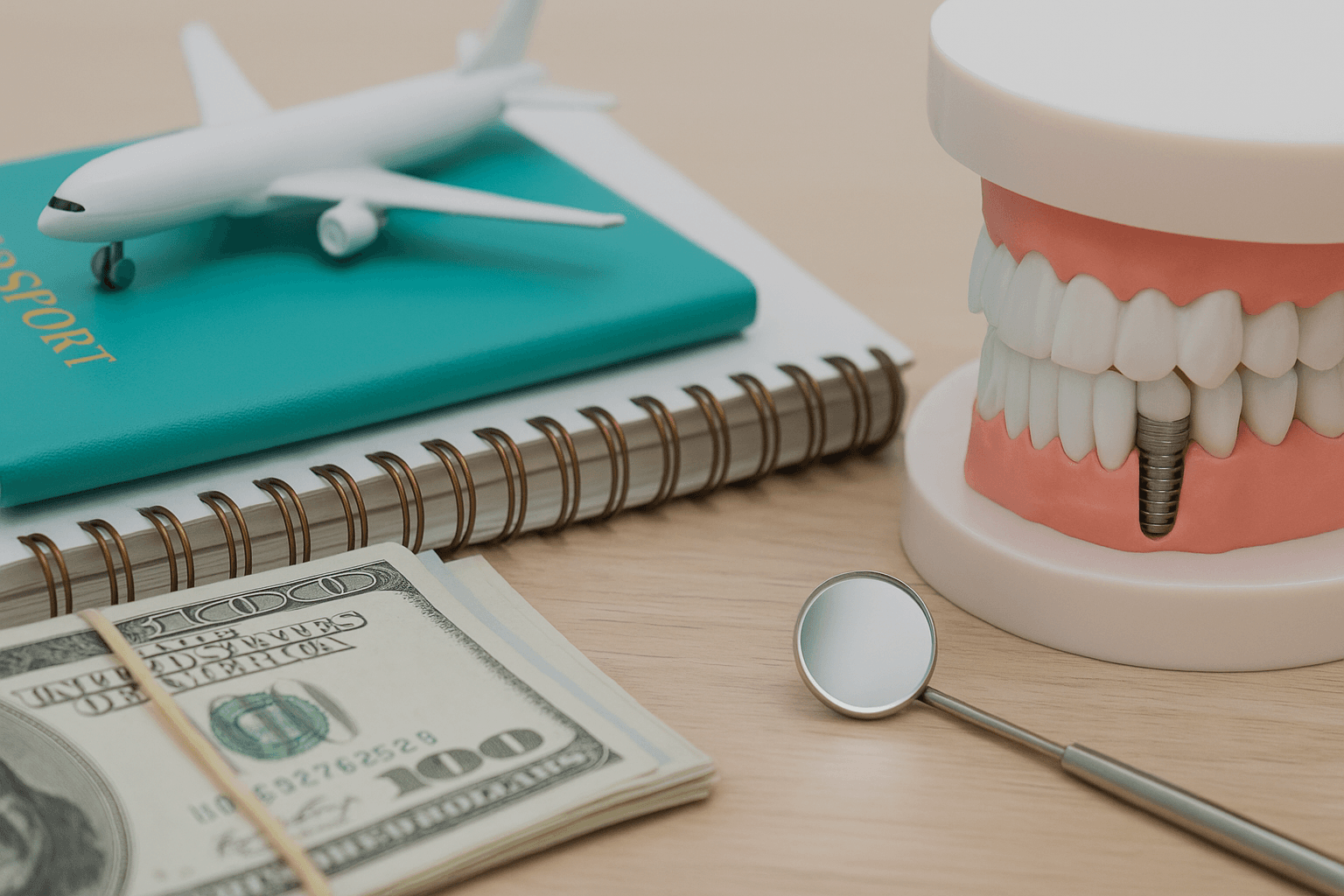
Introduction
Dental tourism has grown into a multi-billion-dollar industry. Patients from Canada, the United States, Europe, and Australia are traveling abroad for implants, veneers, crowns, or full mouth restorations they cannot afford at home. Prices can be 50–70% cheaper, waits are shorter, and the idea of a “holiday and a new smile” in one trip feels hard to resist.
“Free hotel, free transportation, ultra low price, luxury clinic.”
For people facing $25,000–$60,000 quotes in North America, that promise feels like a lifeline. But fast growth attracts both excellent clinics and those who manipulate prices or use aggressive sales tactics. A rising concern is the “free hotel” dental package — a marketing strategy that sounds harmless yet can mask lower-quality materials, rushed treatments, inexperienced doctors, or upselling once you are already in the chair.
This article breaks down the truth behind these offers, the risks nobody talks about, and how you can protect yourself with proper research and a neutral second opinion before making a life-changing dental decision.
What Is Dental Tourism and Why Is It So Attractive?
Dental tourism means traveling abroad for dental care, often pairing treatment with a vacation. Countries like Turkey, Mexico, Thailand, Hungary, and Colombia have become major destinations.
There are three main reasons why:
- Drastically lower prices. In Canada or the U.S., a single implant can cost $3,000–$6,000 and a full-arch All-on-4 can reach $30,000–$50,000 per jaw. In Turkey, the same procedures may cost 60–80% less, often using internationally recognized brands.
- Advanced technology and skilled specialists. Many clinics invest in digital scanners, CAD/CAM milling machines, 3D imaging, in-house labs, and implant-specialist surgeons. Some surpass the tech level of Western offices.
- Combined travel experience. Turning a stressful procedure into a mini-vacation is appealing. Sunny destinations like Antalya or Izmir make the process feel less clinical and more enjoyable.
With rapid growth, quality now ranges from world-class facilities to risky operations offering unrealistically low prices. That is where the “free hotel + cheap dental work” discussion matters.
Looking at specific cities? See our guides to Antalya, Istanbul, and Izmir to learn what recovery and logistics feel like in each.
How “Free Hotel + Cheap Dental” Packages Work
These packages are a common marketing tool. They usually include a free hotel stay, airport pickup, X-ray, consultation, and very low headline prices for implants, crowns, or veneers.
Reality: there is no such thing as “free” in dentistry.
If you are not paying for the hotel or transfers, you pay elsewhere — often through cheaper implant or crown brands, lower-quality zirconia, bulk treatment (rush dentistry), inexperienced or rotating doctors, upselling once you arrive, or cutting corners in aftercare.
Clinics offering “free hotel” seek high-volume international patients. To make it profitable, they cut costs on materials, time, personalized care, and follow-up. Reputable clinics rarely bundle free hotels because their priority is medical quality, not mass tourism.
The Hidden Risks Behind Too-Good-To-Be-True Offers
The danger is not that treatment happens abroad; it is that some clinics rely on aggressive sales promotions instead of medical quality.
- Overtreatment to justify costs. A $4,000 “package” often needs upgrades once you arrive — unnecessary crowns, root canals, or implants to raise revenue.
- Cheaper, non-certified materials. Budget clinics may use unregistered implant brands or low-grade zirconia. Patients notice only when complications appear later.
- Rushed dentistry and high turnover. If 20–50 international patients are treated daily, individualized planning disappears. Speed replaces precision.
- No long-term follow-up or responsibility. After you leave, communication can fade. If something fails six months later, you are on your own.
- Hidden costs and paid upgrades. “Free hotel” offers can add charges for temporaries, sedation, premium implants, gum treatments, bone grafting, or anesthesia. A $2,500 package becomes $8,000–$10,000 mid-treatment.
- Unqualified or rotating doctors. Some clinics outsource to part-time or inexperienced dentists. You may not know who will treat you until you sit in the chair.
Real Patient Stories and Common Horror Scenarios
Patient stories repeat the same pattern across Reddit, Facebook groups, and dental forums. A typical case starts with a message promising an “unbeatable deal” — free hotel, free transportation, and a full-mouth makeover. On arrival, the story changes: far more extractions are “needed,” healthy teeth are declared “beyond repair,” and root canals are dismissed to push full-mouth implants.
The clinic looks modern, staff sound confident, and everything moves fast. In 2–3 days, the patient leaves with new teeth — and problems begin weeks or months later. Another pattern is “speed-run” implants: placing implants, abutments, and temporaries in days, stressing bone and tissue, leading to early failures. When patients call later, many clinics go silent: no aftercare, no refunds, no responsibility.
Some of the saddest stories come from people who only needed a few crowns or fillings but received 24 crowns, 6 implants, and multiple extractions they never needed. Healthy teeth were cut down or removed because revenue mattered more than ethics. These stories are not meant to scare you away from dental tourism — only to show why informed decisions and independent second opinions are essential.
How to Evaluate a Dental Clinic Abroad
Choosing a clinic abroad should not be a gamble. Look for objective indicators that separate ethical, high-quality clinics from volume-driven operations.
- Check credentials and specialization. Reputable clinics list dentist education, specialization, and experience. “Hollywood Smile” is not a specialty — prosthodontists, oral surgeons, and periodontists are.
- Ask for verified before/after cases. Stock photos or identical angles are red flags. Real clinics show diverse, detailed clinical photos — including X-rays.
- Demand a complete plan before booking. A legitimate plan includes a numbered tooth chart, diagnosis, recommended treatment, alternatives, timeline, healing plan, and total cost breakdown. If pricing comes without examining photos or X-rays, walk away.
- Review follow-up care policies. Ethical clinics offer online check-ups, clear warranty terms, accessible communication, and staged timelines instead of “same-day smile” shortcuts.
- Insist on material transparency. You should know implant brands (Straumann, Nobel, Megagen, Osstem, etc.). If they refuse certificates or brand names, avoid them.
Evaluating a clinic should not feel like buying a used car. Honesty and transparency should be automatic for any serious medical provider.
Why a Second Opinion Matters Before You Book
Dentistry is not an exact science. Two dentists can read the same X-ray differently. An unbiased second opinion is one of the strongest tools you have before traveling abroad.
A proper second opinion helps you answer:
- Do I really need extractions, or are teeth saveable with root canals or crowns?
- Is All-on-4/6 truly necessary?
- Are the prices realistic and the timeline medically appropriate?
- Is the clinic pushing aggressive treatment that conflicts with standards?
When seeking a second opinion, provide full-mouth photos, a panoramic X-ray, and any existing plan. A good evaluator will not push you toward a specific clinic; they clarify what is necessary vs. optional, overpriced vs. fair, and the long-term consequences of each path. Many patients learn they never needed 20+ crowns or full-mouth implants; conservative care can save thousands and preserve natural teeth.
Safety Checklist Before Choosing a Dental Tourism Package
Before you travel, run through this checklist to protect yourself:
- Did you get at least two independent opinions?
- Do you have a tooth-by-tooth written plan with diagnoses?
- Do you know the exact implant brands and crown materials?
- Does the clinic stage treatment instead of rushing?
- Does the plan allow proper healing periods for implants?
- Are warranties written and specific?
- Is aftercare or remote support clearly defined?
- Do reviews look organic (not copied or repeated)?
- Is the clinic avoiding unnecessary extractions?
- Did they review photos/X-ray before pricing?
If any answer makes you uncomfortable or confused, pause. Dental treatment is permanent; decisions should be based on clarity, not pressure.
How TurkiyeDental Helps With Honest Second Opinions
Second opinions remove emotional and financial bias. A clinic selling implants will lean toward implants; a cosmetic clinic may default to crowns or veneers. A neutral reviewer considers the full picture.
A TurkiyeDental review provides:
- A breakdown of which teeth can be saved
- Realistic treatment alternatives and healing times
- Fair price ranges in Turkey vs. North America
- Strategies to avoid overtreatment and spot warning signs
Patients who receive second opinions often choose safer clinics, avoid unnecessary procedures, or pick more conservative plans. The goal is not the cheapest clinic — it is the right clinic offering the right treatment at an honest standard.
Final Thoughts and Patient Advice
The rise of “free hotel + cheap dental” packages reflects a booming industry — and a risky trend. When something looks too good to be true, it usually is. Teeth, bone, and oral health are not replaceable. Shortcuts for price or convenience can lead to lifelong problems, expensive repairs, and emotional stress.
By understanding risks, evaluating clinics carefully, and getting independent second opinions, you protect yourself from aggressive sales tactics and dangerous shortcuts. Dental tourism can be life-changing in a positive way — but only when approached with caution, research, and truly informed decisions.
Your smile deserves more than a package deal. Your safety deserves more than a free hotel. Your long-term health deserves a decision made with confidence, not pressure.