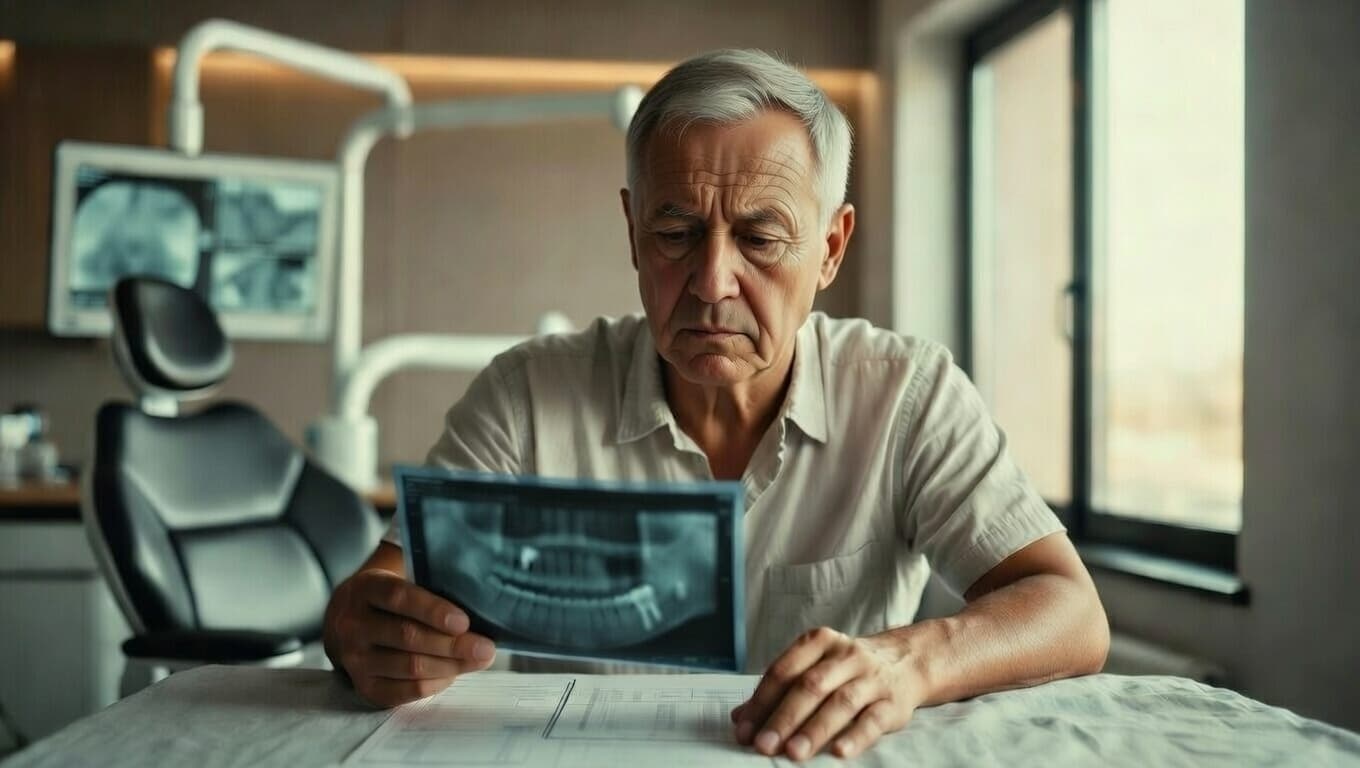
Why International Dental Patients Are More Vulnerable
Most international patients who experience problems are neither careless nor poorly informed. In fact, many are thoughtful, well-researched individuals trying to make responsible decisions under inherently difficult circumstances.
They are often evaluating clinics from thousands of miles away, relying on digital touchpoints such as online advertisements, social media profiles, and brief WhatsApp conversations to assess complex medical care. Language differences, unfamiliar healthcare systems, and varying clinical standards further complicate the process.
Once travel dates are booked, time pressure increases. Decisions that ideally require reflection, second opinions, and in-person diagnostics are compressed into narrow windows. At the same time, price comparisons are frequently made without full visibility into case complexity, long-term outcomes, or alternative treatment paths. For a clearer sense of what timelines should look like, see our treatment timeline guide.
The issue is rarely a lack of intelligence or due diligence. Rather, it is the decision-making environment itself. When treatment recommendations are made remotely, without comprehensive imaging, detailed examination, or independent verification, patients become more vulnerable to incomplete information, oversimplified assurances, and sales-driven pressure — often without realizing it until it is too late.
Get a clinic-independent plan review
Upload your photos, X-rays, or quotes and get a clear, neutral assessment before you book flights.
Common Dental Scam Patterns in Turkey
It's crucial to understand that dental "scams" in Turkey rarely involve outright theft or fake clinics. More often, they manifest as systematic shortcuts, aggressive sales tactics, or ethically questionable practices that only reveal their true cost—financially, physically, and emotionally—after the patient returns home. While many Turkish clinics deliver excellent care, the rapid growth of dental tourism has created opportunities for less scrupulous operators to exploit international patients.
Here are the most frequently reported patterns:
1. Over-Diagnosis and Overtreatment
One of the most widespread issues is the push toward aggressive, irreversible procedures when gentler, tooth-preserving options exist. Healthy or salvageable teeth are often deemed unsavable, with extractions and implants presented as the only or "safest" solution—sometimes without thorough exploration of alternatives like fillings, root canals, or conservative veneers.
Patients commonly hear high-pressure phrases such as:
- “These teeth cannot be saved”
- “Implants are the only long-term option”
- “We need to act urgently before it gets worse”
In many documented cases, patients later discover (often through second opinions at home) that less invasive treatments would have been viable, preserving more natural tooth structure and avoiding lifelong consequences like sensitivity, nerve damage, or repeated interventions.
2. Bait-and-Switch Pricing Tactics
Clinics frequently advertise rock-bottom package prices online (e.g., full-mouth veneers or implants bundled with flights and hotels) to draw in cost-conscious international patients. Once the patient arrives—often after a long flight and with limited time—the story changes. “Unexpected findings,” additional procedures, “premium” upgrades, bone grafts, or specialized materials are suddenly required, dramatically inflating the final bill.
If you're comparing offers that bundle travel and treatment, our guide on “free hotel + cheap dental” packages explains what to check before you commit.
At that point, patients often feel trapped:
- Return flights are already booked
- Vacation or work leave is running out
- Leaving without treatment feels like a total loss
This vulnerability turns what seemed like a bargain into a costly trap.
3. Unverifiable Materials and Implant Brands
Patients are routinely promised “German,” “Swiss,” or “premium” implants and materials to justify the procedure. Yet, verifiable proof—such as serial numbers, certificates, manufacturer documentation, or batch details—is rarely provided.
Without proper records, serious problems arise:
- Warranty claims become impossible if issues develop
- Future dentists hesitate to repair or replace the work due to unknown compatibility
- Long-term complications (e.g., implant failure or allergic reactions) are harder to trace and address
This lack of transparency leaves patients exposed long after they leave the country.
4. Complex Cases Handled by Inexperienced Teams
Treatments like full-mouth restorations, All-on-4/All-on-6 implants, or advanced smile makeovers demand careful multidisciplinary planning, including prosthodontists, precise digital design, surgical guides, and consideration of bite function and longevity.
In some clinics, these sophisticated cases are handled without:
- A prosthodontist
- Digital smile design
- Surgical guides
- Long-term functional planning
The immediate result may appear cosmetically pleasing, but poor planning often leads to failures months or years later—such as loose restorations, bite misalignment, gum recession, or premature wear.
5. Disappearing Aftercare
The most heartbreaking pattern occurs post-treatment. Once the patient flies home, communication frequently dries up. Follow-up questions via WhatsApp go unanswered, complications are minimized or ignored, and in extreme cases, clinic numbers are blocked or changed.
For international patients, this creates profound abandonment:
- Medically — no support for infections, pain, or adjustments
- Emotionally — feelings of betrayal after investing significant money and trust
Local dentists back home may refuse to touch the work due to liability concerns, leaving patients to face expensive corrective treatments or ongoing discomfort.
These patterns highlight why thorough research, verified credentials, detailed written contracts, and realistic expectations are essential before committing to dental work abroad. Not every clinic engages in these practices—many prioritize patient outcomes—but awareness of these red flags can help protect those seeking affordable, high-quality care.
What Really Happens When a Patient Chooses the Wrong Clinic
The allure of affordable "Turkey teeth" can fade quickly when complications set in. What begins as a budget-friendly smile makeover often turns into a cascade of physical pain, repeated treatments, emotional distress, and unexpectedly high costs. The original “savings” frequently become the most expensive choice over time, as patients end up paying far more—at home—to repair irreversible damage.
Here are the most commonly reported long-term consequences, based on patient accounts, dental association warnings, and clinical reports:
Implant Failure and Early Loss
Implants placed too hastily, at improper angles, or without adequate healing time can loosen, shift, or fail entirely—often within months to a couple of years. Patients describe sudden mobility, clicking sounds, or implants falling out during eating. Revision surgery (if even possible) typically requires removing failed implants, treating infection or bone damage, and starting over—costs that can easily exceed the original procedure by 2–5 times.
Chronic Pain, Infections, and Nerve Damage
Poor sterilization, rushed surgery, or aggressive tooth preparation can lead to persistent infections (peri-implantitis), abscesses, or severe sensitivity. Some patients report constant throbbing pain, facial swelling, or numbness from nerve injury during implant placement. In extreme cases, infections spread to sinuses (especially with upper jaw work), causing breathing difficulties or collapsed structures. These issues often require antibiotics, drainage procedures, root canals, or even extraction—turning a cosmetic trip into ongoing medical management.
Progressive Bone Loss and Need for Grafting
When implants fail or crowns/veneers are poorly fitted, surrounding bone deteriorates rapidly. Patients may face significant bone resorption, making future implants impossible without major grafting (sinus lifts, bone augmentation). This adds thousands in extra procedures and extends recovery time dramatically, sometimes leaving patients reliant on temporary solutions like dentures.
Unnatural or Failing Aesthetics That Are Hard (or Impossible) to Fully Correct
Over-reduced teeth for crowns (instead of minimal-prep veneers), mismatched shades, bulky/over-contoured restorations, or misaligned bites create smiles that look obviously artificial or "fake." Bite problems lead to jaw pain (TMJ issues), uneven wear, cracking restorations, or speech difficulties (lisps). Many patients discover that local dentists hesitate to fully revise foreign work due to liability concerns—leaving them stuck with suboptimal results or facing complete redo treatments.
Deep Emotional and Psychological Toll
Beyond the physical, the regret is profound: embarrassment over a ruined smile, anxiety about eating in public, loss of self-confidence, and feelings of betrayal after trusting glossy marketing. Stories from patients describe depression, social withdrawal, and a lasting distrust of dentistry. The sense of having been exploited—combined with the inability to easily hold the original clinic accountable—amplifies the emotional burden.
Financial Shock: Paying Double (or More) to Fix the Damage
Corrective work in home countries (UK, Canada, US, etc.) is notoriously expensive. A single failed crown or veneer might cost £800–£2,000 to replace properly; full-mouth revisions often run £15,000–£60,000+ depending on damage extent. Add travel back to Turkey (if the clinic even responds), lost wages from pain/recovery, and ongoing therapies—and the "bargain" evaporates. Many patients report spending 3–10 times the original amount just to reach a functional, pain-free state.
The harsh reality: What seemed like a smart financial decision can become a multi-year, multi-thousand-dollar ordeal. The upfront low price rarely accounts for quality materials, experienced specialists, proper planning, sterilization standards, or reliable aftercare—elements that prevent most of these outcomes in reputable practices.
If you're considering treatment abroad, prioritize verified credentials, detailed treatment plans with documentation, realistic timelines, and clear aftercare commitments. The true cost of a smile isn't just the initial quote—it's the lifetime of health, function, and peace of mind that follows. Our warranty & aftercare guide covers what to ask for in writing.
Why Fixing Bad Dental Work Is So Extremely Difficult
Correcting botched dental work from abroad isn't just inconvenient—it's often a complex, costly, and sometimes incomplete process. The initial damage from over-aggressive procedures (like unnecessary tooth reduction or poorly placed implants) can be irreversible, leaving patients with limited options and lifelong compromises. What starts as a "quick fix" abroad frequently spirals into months or years of additional interventions, with no guarantee of a perfect outcome.
Here's why revisions are so challenging, broken down step by step:
Irreversible Structural Damage
Over-preparation of teeth (e.g., grinding down too much for crowns or veneers) removes healthy enamel and dentin permanently. Once gone, it can't be regenerated—patients are left with weakened teeth prone to sensitivity, fractures, or needing root canals. Similarly, failed implants often require immediate removal to prevent further infection or bone loss, but this extraction can damage surrounding bone, making re-implantation trickier or impossible without reconstruction.
Extensive Reconstructive Procedures
Secondary treatment frequently involves major interventions that the original clinic rarely covers:
- Implant removal and site preparation: Surgically extracting failed implants, cleaning infected bone, and allowing time for healing.
- Bone grafts or sinus lifts: To rebuild lost bone volume (common after extractions or poor implant integration), adding significant expense (£2,000–£5,000+ per site) and recovery time.
- Longer healing periods: Multiple surgeries mean 6–12 months of downtime, with restrictions on eating, smiling, or speaking comfortably—disrupting daily life.
- Compromised final aesthetics and function: Even with top-tier revisions, results may not match natural teeth. Shorter crowns (to preserve remaining structure), mismatched colors, or altered bite alignment can lead to ongoing issues like jaw strain or unnatural appearance.
Reluctance from Local Dentists to Take On Foreign Work
Reputable clinics and dentists in patients' home countries (e.g., Canada or the UK) are often hesitant to assume responsibility for "unknown" treatments. Reasons include:
- Incomplete or unverifiable documentation: Without detailed records of materials, implant brands, or procedural notes, it's risky to proceed—potential incompatibilities or hidden issues could lead to malpractice claims.
- Liability concerns: If complications arise from the original work, the revising dentist could be blamed. Many refuse outright or limit fixes to symptom management (e.g., temporary fillings).
- Specialized expertise required: Fixing complex cases demands prosthodontists or implant specialists familiar with international variations, but not all practices have them.
Broader Challenges: Time, Cost, and Emotional Drain
Revisions demand travel (back to specialists), multiple appointments, and high out-of-pocket costs—often £10,000–£50,000+ for full corrections. Delays from healing or failed attempts compound frustration, while the emotional toll (regret, anxiety over "ruined" smiles) can be debilitating. In some cases, patients resign to suboptimal fixes or even extraction and dentures as a last resort.
The key takeaway: Prevention is far easier than cure. Always demand comprehensive records, choose clinics with verifiable long-term warranties, and get pre-treatment consultations from your home dentist. Bad dental work doesn't just cost money upfront—it can lock you into a cycle of endless repairs that erode your health and wallet.
If you want a clinic-independent review before traveling, you can upload your case here for a clear plan and timeline.
Red Flags to Watch for Before You Even Book Your Flight
Spotting problems early can save you from irreversible damage, wasted money, and months of regret. While many Turkish clinics provide excellent care, the high volume of dental tourism has allowed some operators to prioritize quick sales over thorough, ethical treatment. A trustworthy clinic welcomes scrutiny—it never rushes or dodges legitimate questions.
Use this checklist of the most commonly reported warning signs before committing:
Diagnosis Without Proper Diagnostics (No CBCT Scans or Recent Imaging)
Reputable implant or full-mouth work requires 3D CBCT scans (cone-beam computed tomography) to assess bone density, nerve positions, and sinus health. Clinics that quote a fixed plan based solely on a few photos, WhatsApp messages, or no imaging at all are taking dangerous shortcuts. Red flag phrase: "We can decide everything when you arrive—no need for scans now."
Identical or "One-Size-Fits-All" Treatment Plans
Every mouth is unique—age, bone quality, occlusion, and goals vary. If multiple patients (or you across consultations) receive the exact same recommendation (e.g., full-mouth crowns on young teeth instead of minimal-prep veneers), it's often a sign of profit-driven templating rather than personalized care. Watch for cookie-cutter "Hollywood smile" packages pushed universally.
No Named, Verifiable Dentist Responsible for Your Case
Legitimate clinics proudly list the treating dentist's full name, qualifications, years of experience, and specialization (e.g., prosthodontist or oral surgeon). If the response is vague ("our team" or "our best doctor"), or profiles are missing/stock photos, walk away. Always cross-check credentials with the Turkish Dental Association or Ministry of Health listings.
No Meaningful Discussion of Alternatives or Conservative Options
Ethical dentists explore less invasive paths first—fillings, bonding, root canals, minimal-prep veneers, or monitoring—before jumping to extractions, implants, or aggressive crowning. Heavy insistence on irreversible procedures without explaining risks, benefits, and alternatives is a major concern.
Overemphasis on Price and "Deals" Over Medical Reasoning
When the conversation fixates on discounts, "limited-time offers," free hotels/transfers, or beating competitors rather than your specific diagnosis and long-term health, priorities are misaligned. Extremely low prices (well below market averages for quality brands) often indicate corners cut on materials, sterilization, or expertise.
High-Pressure Sales Tactics and Urgency Language
Phrases like "last chance," "limited slots," "book now or lose the deal," "prices rising soon," or demands to pay deposits immediately via DMs/WhatsApp scream manipulation. Genuine clinics give time for questions, second opinions, and informed consent—never pressure.
Reluctance to Share Details, Review Outside Opinions, or Provide Documentation
Ask for: written treatment plans, implant/material brands with serial/warranty info, before/after examples from similar cases, video consultations, and facility photos. If they dodge, refuse to discuss independent reviews, or get defensive about questions, it's a clear sign of opacity.
Additional common red flags from patient experiences and professional warnings:
- Unverifiable or overly polished reviews (e.g., identical 5-star comments or stolen before/after photos).
- No clear aftercare/warranty policy in writing.
- Communication only through social media without formal channels.
- Promises of "same-day" or "immediate" complex treatments for everyone (not always realistic or safe).
Bottom line: A quality clinic earns trust through transparency, patience, and evidence—not hype or haste. Get everything in writing, consult your home dentist for a second opinion on proposed plans, and verify independently before traveling. Doing so turns a risky gamble into a safer, more informed choice. For trip planning basics, see the travel guide.
Need a second opinion before you book?
Compare plans, verify materials, and get clarity on timelines before you commit.
How an Independent Second Opinion Changes Everything
One of the smartest, lowest-risk steps you can take before booking flights or depositing thousands is to pause and get an independent second opinion—ideally from a dentist in your home country who has no financial stake in the outcome. This isn't about distrusting every foreign clinic; it's about reclaiming control, clarity, and true informed consent in a high-stakes decision.
A neutral, local review often reveals critical insights that aggressive marketing or rushed consultations overlook. Here's how it transforms the process:
Confirms (or Challenges) Whether the Proposed Plan Is Truly Reasonable
Many patients arrive in Turkey with plans for full-mouth extractions, implants, or aggressive crowning—only to learn later that less invasive options (e.g., fillings, bonding, or minimal-prep veneers) could have preserved natural teeth. A second opinion assesses your X-rays, photos, and CBCT scans objectively, helping determine if the treatment matches your actual needs rather than a profit-driven "package."
Highlights Conservative vs. Aggressive Approaches
Ethical dentists prioritize tooth preservation whenever possible. An independent review often uncovers alternatives that avoid irreversible steps like nerve removal or excessive enamel grinding. Patient stories show dramatic shifts: one person planning 20+ crowns on young teeth was advised by their home dentist to opt for monitoring and whitening instead—saving healthy structure and avoiding lifelong sensitivity or replacements.
Verifies Materials, Brands, and Long-Term Viability
Clinics may promise "premium German/Swiss implants" without specifics. A knowledgeable reviewer can flag unverifiable claims, question compatibility with future repairs, or warn about shortcuts (e.g., low-grade zirconia or unproven techniques). This helps ensure you're not committing to work that's hard or impossible to maintain back home.
Spots Inconsistencies, Red Flags, or Over-Treatment Early
Identical plans for different patients, no named specialist, pressure tactics, or skipped diagnostics become glaring when viewed without bias. Many who sought second opinions discovered mismatched aesthetics, unrealistic timelines, or unnecessary urgency—red flags that might have been missed amid excitement or sales pressure.
Removes High-Pressure Dynamics and Restores Calm Decision-Making
Abroad consultations often happen under time constraints (limited vacation days, "limited slots"). A home-based opinion gives breathing room—no sales urgency, no deposit demands. Patients report feeling empowered, not cornered, leading to clearer choices: proceed confidently, adjust the plan, seek better clinics, or stay local.
Real-World Impact: Professional bodies like the British Dental Association and similar organizations emphasize that patients considering treatment abroad should seek full advice on risks, alternatives, and what to expect if issues arise. Dentists in home countries frequently see "Turkey teeth" complications and stress the value of pre-travel reviews—many patients who got second opinions avoided botched outcomes entirely, preserving teeth and saving thousands in revisions.
The core message: An independent second opinion isn't about steering you away from Turkey—it's about ensuring any treatment (anywhere) is necessary, appropriate, and backed by solid reasoning. It levels the playing field in an industry where information asymmetry can lead to regret.
Practical Tips to Get One:
- Bring your proposed treatment plan, photos, and any scans to your local dentist.
- Ask specifically: "Is this conservative? Are there alternatives? What risks do you see?"
- Consider consulting a prosthodontist or implant specialist for complex cases.
- Use it as a benchmark—even reputable Turkish clinics often welcome second opinions and provide detailed plans for review.
By stepping back for this one objective check, you turn a potentially risky leap into an informed, confident step—protecting your smile, health, and finances for the long haul.
Want a structured way to compare plans? Start with a case overview here.
You Deserve Transparency, Not Pressure
Dental tourism can be safe, successful, and life-changing — when done correctly. The goal is not to find the cheapest option or the fastest solution, but the right treatment for your specific situation.
Good clinics encourage transparency. Ethical dentists explain risks. Responsible treatment plans allow time for understanding and reflection.
If a decision feels rushed, confusing, or emotionally charged, it is worth pausing.
Because in dentistry, mistakes are not easily undone — but many of them are preventable with the right information at the right time.